
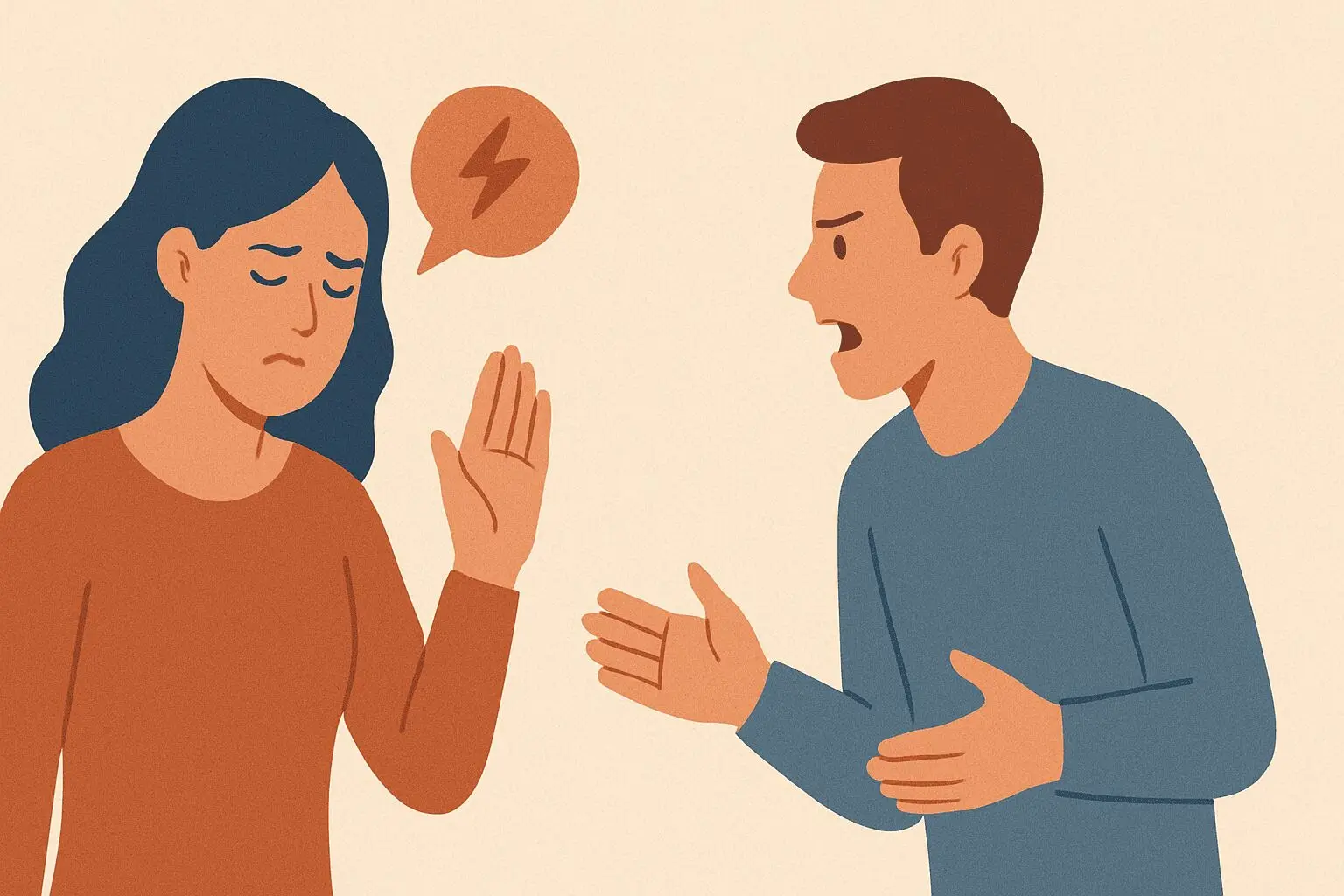
Misattunement is a miss, a misread, a mismatch of emotional signals. Someone close answers a feeling you did not have. A parent laughs when you are scared. One miss is ordinary. Chronic unrepaired misses teach you to hide what you need, and that is how attachment gets shaped. When those early misses still echo in adult relationships, trauma therapy in Pasadena can help you notice the pattern and repair it in real time. APA’s overview of parenting and early attachment frames why consistent, accurate responses matter so much in childhood.
What Is Misattunement?
Examples of misattunement include:
- A partner minimizing feelings instead of listening.
- A caregiver being physically present but emotionally unavailable.
Misattunement is not simply neglect or abuse. It can occur in subtle, everyday moments when someone’s emotional needs are not met or are misread. Over time, repeated misattunement—especially in early childhood—can create patterns of insecurity and disconnection.
Misattunement in Childhood Development
Infants and young children rely on caregivers to regulate emotions and provide a sense of safety. When caregivers respond consistently and accurately, children develop secure attachment. When misattunement happens repeatedly without repair, it can lead to:
- Anxious attachment: The child becomes hypervigilant, constantly seeking reassurance.
- Avoidant attachment: The child withdraws, learning not to rely on others.
- Disorganized attachment: The child experiences confusion, fear, or ambivalence toward caregivers.
Research in developmental psychology shows that early misattunement can affect the brain’s stress response, making it harder to regulate emotions later in life. Adults who experienced frequent misattunement as children may struggle with intimacy, fear rejection, or feel chronically unseen.
Misattunement in Adult Relationships
Misattunement does not end in childhood. It shows up in romantic partnerships, friendships, and professional settings. Common signs include:
- Feeling dismissed when expressing emotions.
- Arguments escalating because partners misinterpret intent.
- A sense of “never being on the same page.”
- Loneliness despite being in a relationship.
While everyone experiences occasional misattunement, repeated patterns can erode trust. For example, a partner who consistently overlooks emotional cues may unintentionally reinforce feelings of abandonment that originated in childhood.
Repair is possible when both people recognize the pattern, communicate openly, and work toward new ways of responding.
The Psychological Impact of Misattunement
Unresolved misattunement can contribute to a range of difficulties, including:
- Low self-esteem: Feeling “too much” or “not enough.”
- Difficulty regulating emotions: Overreacting or shutting down.
- Interpersonal struggles: Fear of closeness or dependency.
- Symptoms of trauma: Anxiety, depression, or dissociation.
Clients often describe misattunement as a sense of being invisible or unheard. Over time, this can shape identity, leading individuals to doubt their needs or suppress emotions to maintain connection.
How Therapy Helps Repair Misattunement
Therapy provides a corrective emotional experience where attunement is prioritized. A skilled therapist tracks both verbal and nonverbal cues to respond in ways that foster safety and understanding. This process can gradually repair the impact of past misattunement.
Key therapeutic approaches include:
1. Attachment-Based Therapy
Therapists explore early attachment patterns and how they affect current relationships. Recognizing these patterns helps clients understand why certain triggers or relational dynamics feel so powerful.
2. Trauma-Informed Care
For those who experienced chronic misattunement or emotional neglect, therapy may address trauma responses such as hypervigilance or emotional numbing. Trauma-informed approaches prioritize safety, pacing, and empowerment.
3. Emotionally Focused Therapy (EFT)
EFT is particularly effective for couples experiencing misattunement — the same work we do in Pasadena couples therapy. The therapist helps partners recognize negative cycles and practice responding with empathy and presence instead of defensiveness.
4. Mindfulness and Somatic Work
Since misattunement often disrupts the connection between mind and body, practices that integrate awareness of physical sensations, breathing, and emotions can restore regulation and resilience.
Repairing Misattunement in Relationships
Healing misattunement is not only an individual process but also a relational one. Steps toward repair include:
- Noticing cues: Paying attention to tone, body language, and facial expressions.
- Clarifying intentions: Asking instead of assuming.
- Acknowledging misses: Saying, “I think I misunderstood you—can we try again?”
- Practicing presence: Putting aside distractions to be emotionally available.
Repair does not mean achieving perfect attunement. Instead, it means recognizing moments of misattunement and working to reconnect. Relationships become stronger when repair is possible.
Misattunement, Trauma, and Complex PTSD
For individuals with complex trauma, misattunement is often part of a broader history of neglect, emotional unavailability, or inconsistent caregiving. In these cases, misattunement may feel less like occasional misunderstanding and more like a deep, pervasive wound.
Symptoms may include:
- Persistent feelings of emptiness.
- Fear of abandonment or rejection.
- Difficulty trusting others.
- Intense shame or self-criticism.
Therapy in these cases focuses on building safety, slowly re-establishing trust, and helping clients reconnect with their authentic emotions.
How Here Counseling Can Help You Heal Misattunement
At Here Counseling, we understand how painful and isolating misattunement can feel. Many of our clients come in saying, “I don’t think my needs matter” or “I’ve never really felt understood.”
Our therapists create a compassionate space where your feelings are welcomed—not dismissed. We use approaches like somatic experiencing, attachment-focused therapy, and trauma-informed care to help you:
- Reconnect with your emotions safely
- Recognize and unlearn old patterns of disconnection
- Build healthier, more secure relationships
- Experience what it feels like to be deeply attuned to
Healing doesn’t happen overnight, but with gentle guidance, you can move from feeling unseen to truly known and valued.
FAQs on Misattunement
Misattunement is when emotional needs are misunderstood or mismatched, while neglect is when needs are ignored altogether. Both hurt, but misattunement is often subtler and harder to recognize.
Yes. It can lead to difficulty trusting, fear of rejection, or a tendency to hide emotions in order to “keep the peace.”
Repair means being accurately seen and understood, sometimes for the first time. A therapist helps rebuild trust in yourself and others through consistent attunement.
Some healing can happen through supportive relationships, self-reflection, and self-compassion practices—but therapy often accelerates the process by offering intentional repair.
Yes. Since misattunement often impacts the nervous system, somatic approaches help release stored tension and increase feelings of safety.
Healing timelines vary. Many clients notice subtle shifts within weeks, but deeper repair often takes months to years of consistent support.