
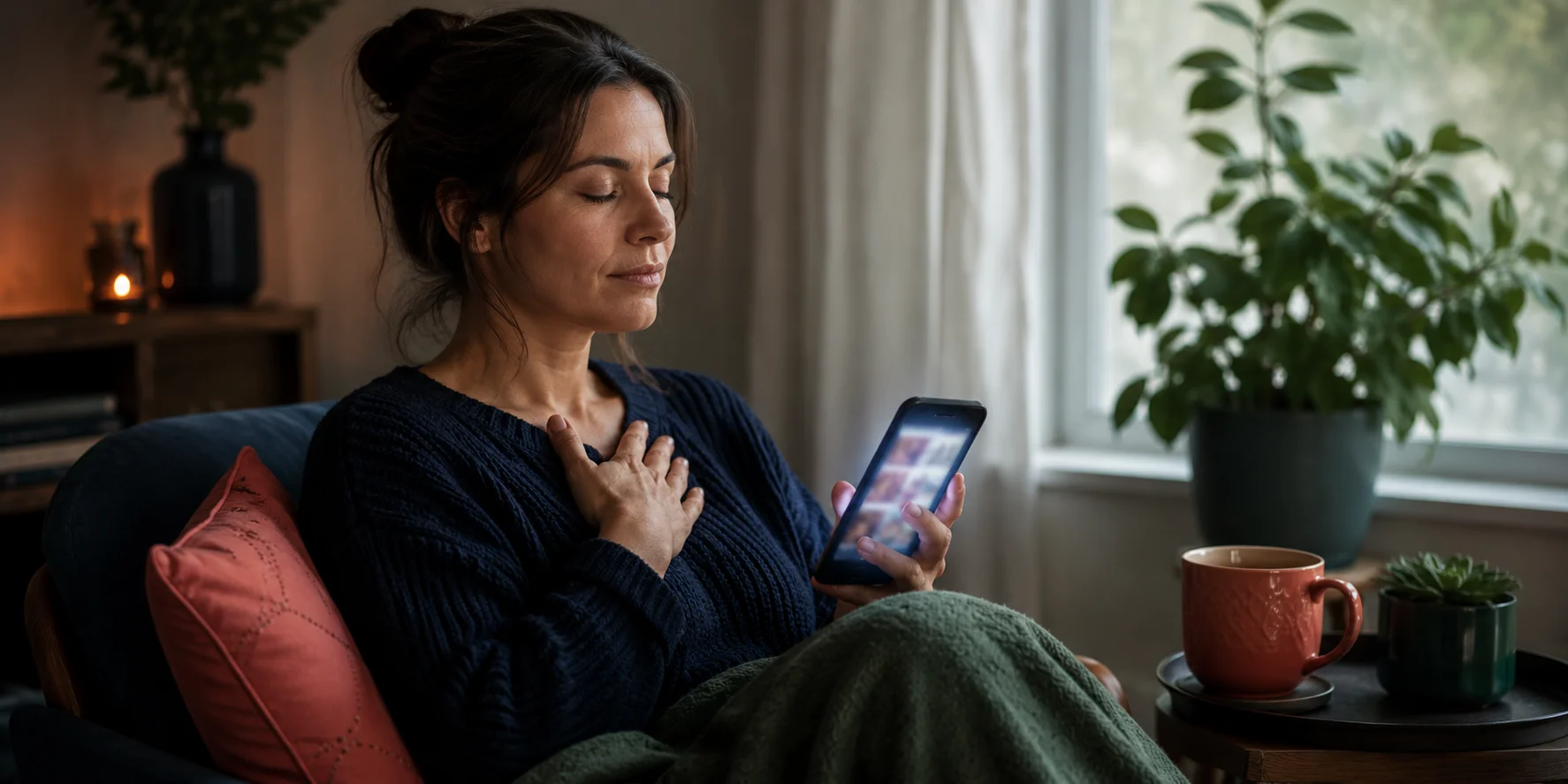
You check one headline because you want to know what is happening. A few minutes later, you have opened five more stories, watched several videos, and refreshed your feed twice. Instead of feeling more informed, you feel tense, distracted, or strangely unable to stop.
News helps us understand the world around us, and staying informed can be meaningful. But constant exposure to conflict, disasters, violence, political uncertainty, and other distressing events can affect how your mind and body feel throughout the day.
You can care deeply about what is happening without carrying every headline with you. Understanding why the news affects you so strongly can make it easier to create healthier boundaries without disconnecting from the world.
How Does the News Affect Your Mental Health?
News consumption is not automatically harmful. Reliable information can help you make decisions, stay connected to your community, and respond thoughtfully to events that matter.
Problems can develop when your nervous system receives distressing information repeatedly without enough time to recover. Breaking news alerts, social media videos, graphic footage, and constant updates can make one stressful event feel as if it is happening again and again.
Over time, you might notice increased anxiety, difficulty concentrating, irritability, sadness, hopelessness, or trouble sleeping. If anxiety already feels difficult to manage, anxiety therapy can help you understand what keeps your mind on alert and develop healthier ways of responding.
Why Negative News Can Put Your Body Into Fight or Flight
Your brain is designed to notice possible danger. When you encounter frightening information, your nervous system may respond before you have consciously decided whether the threat affects you directly.
Your heart may beat faster. Your shoulders might tighten. Your breathing may become shallower. Stress hormones such as adrenaline and cortisol help prepare your body to respond to danger.
This fight or flight response is useful when you actually need to act. The difficulty comes when your body keeps receiving new signals that something is wrong throughout the day.
Watching another disturbing video or refreshing another breaking news update can restart the stress response before your body has settled from the previous one. You may eventually feel exhausted while still remaining strangely alert.
For people who notice anxiety strongly in their bodies, somatic therapy can help build awareness of these physical signals and create more room for the nervous system to settle.
Why You Keep Checking the News Even When It Makes You Anxious
One of the most confusing parts of news anxiety is that feeling worse does not always make us stop checking. Sometimes it makes us check more.
Part of the reason involves uncertainty.
Uncertainty Can Make Your Brain Search for Answers
When something frightening or unpredictable happens, your mind naturally wants information. Information can create a temporary sense of control.
You may think, “Maybe one more update will help me understand what is going to happen.”
Sometimes it does. But when there is no clear answer available, checking can turn into an anxiety loop:
Uncertainty → Checking → Temporary Relief → New Information → More Questions → More Anxiety
The relief from checking usually does not last very long. Before you know it, your mind is asking for another update.
Doomscrolling Can Feel Like Staying Prepared
Doomscrolling refers to repeatedly consuming upsetting or frightening online content, often for longer than you intended.
It can feel productive because your brain believes it is gathering information that will help you stay prepared. In reality, repeated exposure may increase anxiety without giving you anything useful to do.
This same pattern can happen beyond the news. When your mind repeatedly searches for certainty, overanalyzing can become another way of trying to feel safer while making it harder to settle.
Signs the News May Be Affecting You More Than You Realize
There is no single amount of news that is unhealthy for everyone. A better question is what happens to you during and after you consume it.
You may be experiencing news overload if you notice:
- Feeling tense, irritable, anxious, or emotionally drained after checking the news
- Difficulty focusing on work, conversations, or ordinary responsibilities
- Trouble falling asleep because your mind keeps replaying stories or images
- Checking the same developing story repeatedly even when little has changed
- Reaching for your phone immediately after waking or just before sleeping
- Feeling guilty or unsafe when you try to stop checking
- Losing interest in activities that normally help you feel present or connected
You do not need to wait until your anxiety becomes overwhelming before changing your relationship with the news.
Staying Informed Is Different From Staying on Alert
Healthy news consumption usually has an endpoint. You check a trusted source, understand the important information, and return your attention to your day.
Hypervigilant checking feels different.
You may already know what happened, but stopping feels uncomfortable. Your mind keeps suggesting that something important could happen the moment you look away.
For some people, that need to remain alert may be connected to previous experiences of unpredictability or trauma. If your nervous system learned that danger can appear without warning, constantly monitoring what is happening around you can feel protective.
This is one reason trauma therapy focuses not only on difficult memories but also on helping people recognize when old protective responses are shaping their present experience.
Why Some News Stories Affect You More Deeply
Not every headline will affect you in the same way.
Stories involving violence, illness, fires, accidents, war, discrimination, or loss may feel especially intense when they connect with something you have experienced personally. A story involving your hometown, community, identity, profession, or family situation may also feel much closer than an event happening somewhere distant.
Graphic videos can be particularly difficult because images may stay with you long after you put your phone down. You might intellectually know that you are safe while your body continues responding as though the event is nearby.
People with a history of trauma can sometimes experience stronger reactions to repeated distressing media. This does not mean every upsetting response is a trauma disorder. It simply means your history can influence what your nervous system notices and how quickly it settles afterward.
How to Protect Your Mental Health Without Ignoring the World
You do not have to stop caring about current events. The goal is to become more intentional about how information enters your day.
A few small changes can create more space between staying informed and staying activated.
Decide When You Will Check the News
Instead of letting notifications determine when you receive upsetting information, create specific times to check.
For example, you might spend 10 or 20 minutes reviewing reliable updates in the morning and again later in the day. The exact schedule matters less than making your news consumption intentional rather than automatic.
Turn Off Unnecessary Notifications
Breaking news notifications can pull your nervous system into a stressful story before you have chosen to engage with it.
Consider disabling alerts from news apps and social media while keeping emergency notifications that are genuinely important for your safety.
Avoid News Right Before Bed
Your brain needs time to transition toward rest.
Watching distressing footage or reading frightening headlines immediately before sleep can leave your mind trying to process emotionally charged information when you are attempting to relax.
If your phone has become a major source of repeated anxiety, creating a more intentional digital detox can help you rethink when and why you reach for it.
Choose the Format That Feels Less Overwhelming
Video footage often carries more emotional intensity than written reporting, especially when stories contain graphic imagery.
For some people, reading a concise article or newsletter is easier than watching continuous television coverage. For others, online articles can lead to endless clicking.
Notice which format allows you to understand what matters without pulling you into repeated exposure.
Ask Yourself What You Are Looking for Before You Check Again
Before opening another article, pause for a moment and ask:
“Am I looking for useful information, or am I trying to make uncertainty disappear?”
There is nothing wrong with wanting reassurance. But recognizing that you are seeking emotional certainty instead of new information can make it easier to step away.
You may discover that what you need in that moment is not another headline. You may need movement, connection, rest, grounding, or simply a few minutes without new input.
Help Your Body Return to the Present
You can understand intellectually that you are safe while your body still feels activated.
When that happens, try bringing your attention back to your immediate surroundings. Put both feet on the floor. Notice the chair supporting you. Relax your jaw and shoulders. Look around the room and name a few neutral objects you can see.
Take a slower exhale and allow yourself to move. Walking around the room, stretching, or stepping outside can give your nervous system another signal that you are here, in the present moment.
Simple practices like these are also part of several somatic therapy exercises that can help people reconnect with their bodies when anxiety feels overwhelming.
Turn Helplessness Into Meaningful Action
One reason distressing news can feel so heavy is that many events are far beyond your individual control.
Repeatedly watching the situation develop may create the feeling that you are doing something, while still leaving you powerless.
When an issue genuinely matters to you, consider choosing one concrete action. You might support an organization, volunteer locally, donate, contact a representative, help someone in your community, or have a meaningful conversation with someone you trust.
Action cannot solve every painful event. But it can reconnect you with your values and remind you that caring does not have to mean endlessly absorbing distress.
When News Anxiety Starts Following You Into Daily Life
Reducing news exposure can help, but sometimes the reaction goes deeper than screen time.
If you remain anxious long after closing the app, struggle to tolerate uncertainty, experience panic, replay disturbing images, or feel compelled to monitor events constantly, therapy may help you understand what your nervous system is responding to.
A therapist can help you explore whether repeated checking is connected to anxiety, trauma, hypervigilance, or a deeper fear of losing control. Therapy can also help you build ways of feeling safer that do not depend on knowing exactly what will happen next.
Here Counseling offers therapy in Pasadena and Los Angeles, along with online therapy across California. Our AI Therapist Matcher and Care Coordinator can help you find a therapist whose approach fits what you are experiencing, so choosing support does not have to become another overwhelming task.
You Can Care About the World Without Carrying It All Day
Protecting your mental health does not mean becoming indifferent to what is happening around you.
You can stay informed, care deeply, and take meaningful action while still allowing your mind and body periods of safety, connection, and rest.
Sometimes the healthiest response to another headline is not another refresh. It is recognizing that you already know enough for now and giving yourself permission to return to your own life.
Frequently Asked Questions
Can Watching the News Cause Anxiety?
Repeated exposure to distressing news can increase feelings of anxiety, tension, helplessness, and uncertainty. Constant alerts and graphic coverage can repeatedly activate your stress response, especially when you do not have time to emotionally recover between updates.
What Is News Anxiety?
News anxiety is an informal term for anxiety connected with consuming current events or media coverage. It is not a formal diagnosis, but the distress can still be significant, especially when news consumption begins affecting sleep, concentration, mood, or everyday functioning.
What Is Doomscrolling?
Doomscrolling is repeatedly consuming negative or frightening content online, often longer than you intended. People may keep scrolling because they hope more information will reduce uncertainty, but the additional exposure can sometimes increase anxiety instead.
How Much News Is Too Much?
There is no universal amount. Pay attention to how news affects you. If you cannot stop checking, lose sleep, remain tense afterward, struggle to concentrate, or notice that news is interfering with work or relationships, reducing your exposure may be helpful.
Is Reading the News Better Than Watching It?
Reading can be less emotionally intense for some people because it reduces exposure to graphic video and repetitive imagery. However, online reading can also encourage endless clicking. Choose the format that allows you to stay informed without becoming stuck in repeated consumption.
How Can I Stay Informed Without Feeling Overwhelmed?
Choose reliable sources, check the news at intentional times, turn off unnecessary alerts, avoid distressing coverage before bed, and step away once you have the information you need. Creating space for relationships, movement, rest, and meaningful action can also help restore perspective.
When Should I Consider Therapy for News Related Anxiety?
Consider talking with a therapist when anxiety continues after you stop consuming news, checking feels difficult to control, disturbing stories trigger past experiences, or your sleep, concentration, relationships, or daily functioning begin to suffer. Therapy can help you understand the pattern and develop a steadier relationship with uncertainty.